They did not come to perform. They came to testify.
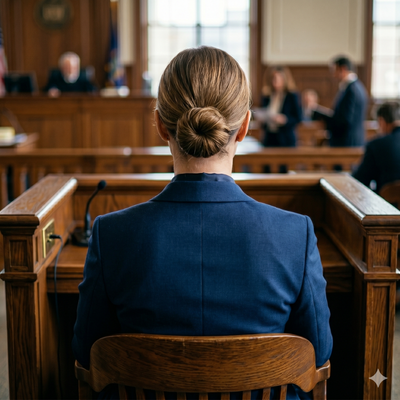
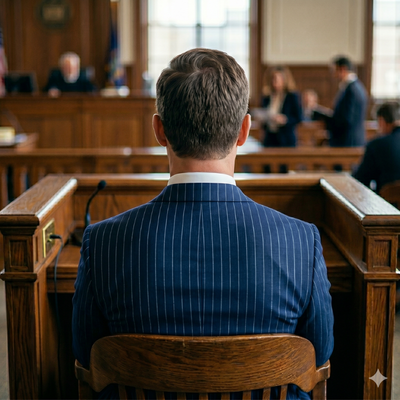
Four of them. In every city, four different ones — pulled not from casting calls but from the community itself: the researcher who has spent twenty years counting what everyone else refused to count. The policy expert who watched her recommendations die in committee. The scholar who can tell you, to the decimal point, what a zip code does to a lifespan. The one who worked inside the system — and kept the receipts.
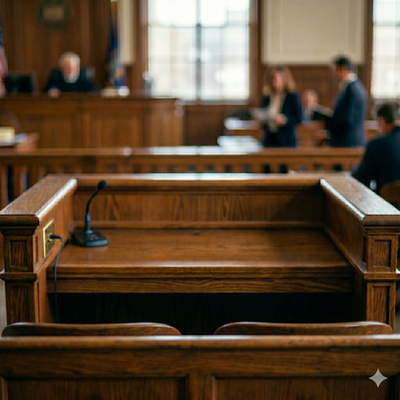
They take the stand one at a time, under a single light, and they do something no one in that room will be prepared for.
They prove it.
Not with emotion. Not with anecdote. With evidence. Numbers that do not flinch. Studies that do not blink. Documented, measurable, reproducible outcomes — presented with the calm of people who have been waiting years for a room that would finally listen. What happened to the woman at the center of this trial was not bad luck. It was not an exception. It was a design. And they can show you the blueprints.
Here is what makes their testimony dangerous: they are not talking about her.
They are talking about your city. The one you drove through to get to this theater. The numbers they read aloud were collected from the streets outside these doors — and somewhere in the third row, a decision-maker is going to recognize their own signature in the evidence.
The prosecution calls its witnesses.
They've been sworn in. Have you?